How to Prepare for a Hike
Going hiking? You need to choose clothes that make you feel comfy and let you move around freely, all without leaving you too cold or too hot. Before you pack your backpack, check the weather and your hiking route. That’ll make it easier to pick the clothes, shoes and gear that’ll make you feel good.
For most of us who stick to easy or medium tracks, preparing for a hike doesn’t take much effort. Chances are, you won’t need specialist gear. For one- or two-day hikes that are moderate difficulty at worst, the main thing is choosing sturdy shoes and comfy clothes for the conditions. And if your wardrobe is falling short, you’ll probably find it in just a few minutes at Dressup.ge’s online store.
What Should I Wear on a Hike?
If your hike is only supposed to last a day and the weather promises to be sunny, you’re good to go decked out in just a lightweight, breathable T-shirt and pants made from durable fabric. On cooler days, try dressing in layers. Your gym activewear should work fine for this kind of hike, too. When choosing what to wear, think about the weather and if it allows you to comfortably move around. Oh, and another thing - try to choose fabric that dries quickly.
For example, in summer, a sporty top would be a good choice, because the materials are usually designed to regulate your body temperature and wick moisture better. It should make you feel more comfortable when walking. If you’re heading for a track in the mountains, make sure to pack an extra top and a rain jacket, whatever the season. The weather at high altitude can change unexpectedly.
Can I Hike in Jeans?
Yes, sometimes. If we’re talking an easy trail in cool weather, soft, loose-fitting jeans can be really comfortable. If you’re supposed to track under scorching sun, or if the route is challenging and the conditions - damp, stretchy or loose-fitting sports pants are a better choice. They’re specifically designed for intense physical activity. The main challenge is picking the right size. Before your hike, check that they don’t feel tight when you move: take a few big steps, stretch and crouch a few times.
Can I Hike in Shorts?
For an easier trail, loose-fitting shorts are a great choice in warm weather. Just try them out beforehand to make sure they don’t feel tight when you walk or sit down. On rocky or wooded terrain, though, long pants are more practical because they protect your skin from bitey plants and bugs. If your route passes through a humid environment rich in greenery, you’ll be better off wearing long pants.
How to Choose Hiking Shoes
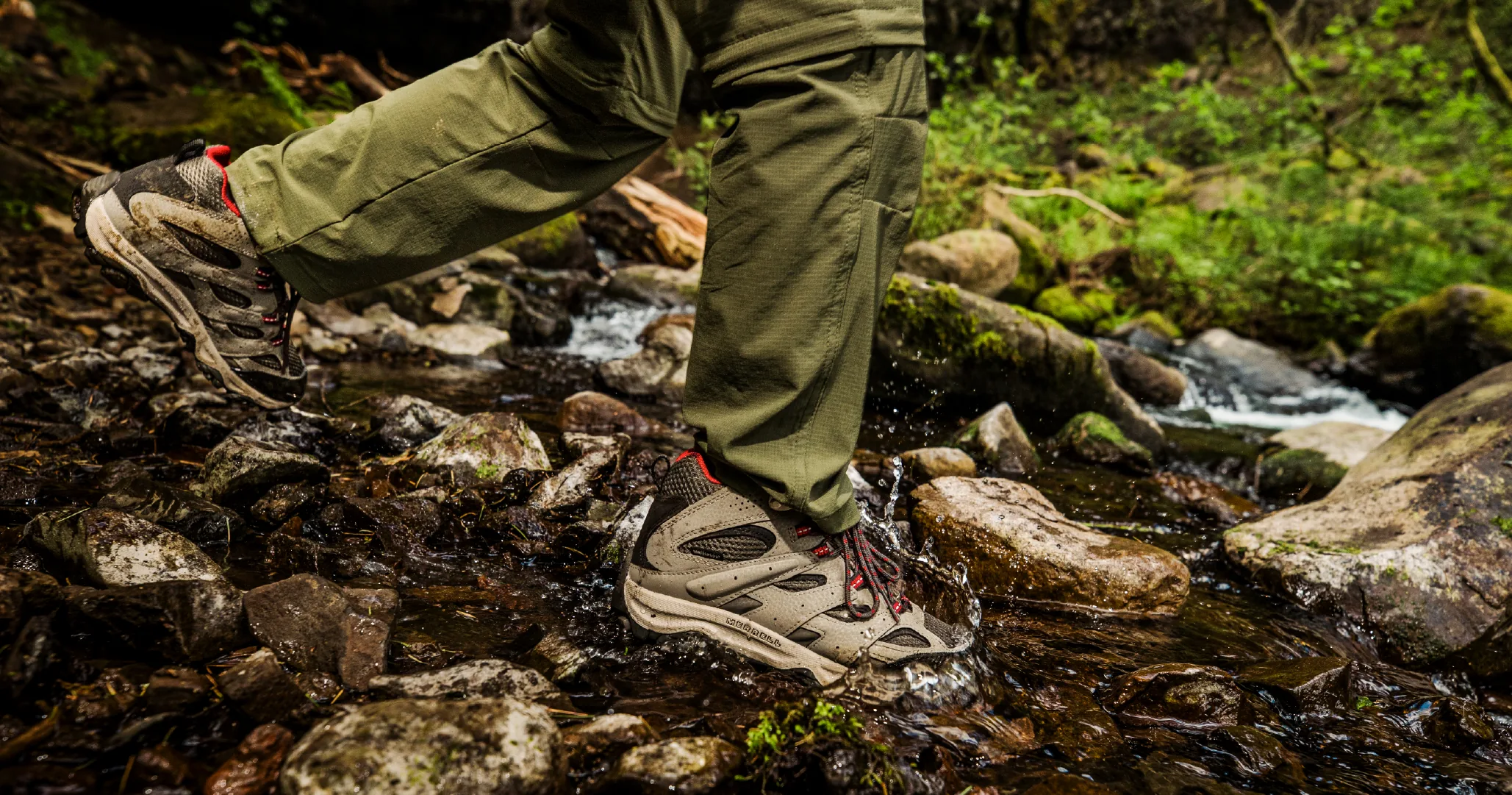
Your shoes should be matchy-matchy with the route. For easy routes, regular running shoes are often enough. But if we’re talking a longer, tougher route with steep sections, loose stones and uneven ground, you’ll need to wear proper hiking shoes. These have better grip and sturdier soles and are specifically designed to help hikers keep their balance on wet or more dangerous stretches of the trail.
Don’t wear your shoes for the first time right on the hike day. Wear them around town at least two or three times beforehand, ideally for a full day if your work dress code allows it. This way, you’ll know for sure they’re not tight or rubbing anywhere, and won’t get stranded in the middle of the hike with aching feet. Plus, all shoes feel better after breaking in a little, because they mold to your feet.
What Should You Bring on a Hike?
You’ll always need a water bottle, a small backpack, sunglasses and a rain jacket (or a windproof jacket) on a hike.
If you’re going on a day hike in summer, you can pack pretty lightly: water, sunglasses, a hat, sunscreen, a small snack and a light outerwear should be enough.
If you’re heading into the mountains for a few days in spring or fall when weather can be dodgy and change at the drop of a hat, you’ll need to put more thought into packing your backpack. Pack a few changes of clothes, and try to choose extra layers that take up as little space as possible when folded. You’ll also need a spare pair of shoes. It’s a good idea to bring a small first-aid kit, too: bandages, disinfectant, antihistamine gel for insect bites, painkillers, etc.
When packing your hiking essentials, keep your water bottle, sunglasses and jacket at the very top. These should always be within easy reach so you don’t have to rummage through your whole backpack to get to them.

Frequently Asked Questions
What Should You Bring on a Day Hike?
A water bottle, a small backpack, sunglasses, dry, calorically dense foods (nuts, dried fruit, chocolate and so on) and an extra top layer.
What Should You Wear in the Mountains?
Bring three extra layers: a lightweight base, a warm mid-layer and a waterproof outer layer. Regardless of what the forecast says, always keep a compact rain jacket in your backpack. Mountain weather is changeable, and there’s a good chance you might fall victim to an unexpected downpour.
How Do You Choose Hiking Shoes?
For an easy trail, regular sneakers or running shoes are often plenty enough. For tougher terrain, you’re better off choosing proper hiking shoes with sturdier soles and tougher grip.
What Should You Wear on a Rainy Hike?
Activewear made from quick-drying performance fabrics is your best choice. Bring a compact rain jacket you can throw on in 5 seconds when the weather changes.
How Do You Prepare for Your First Hike?
Read up on hiking tips specifically for beginners. Ask experienced members of your hiking group for advice. Make sure the clothes and shoes you’ve picked really are comfortable and won’t start pinching and rubbing anywhere after a few kilometers. If you’ve already planned an outfit, It’s a good idea to go for a walk around town in the same gear first.