What Do We Read as the Days Grow Shorter?

Books for Autumn’s New Rhythm

In September, the rhythm of everyday life changes too: the city returns to its usual pace, the academic and working year begins again, the days grow shorter, and we gradually spend more evenings at home. There is more time for reading as well. Sometimes you return to a book for just a few pages; other times, a story makes you forget it is already time to sleep.

For the new season, the books category at Dressup.ge has been updated with titles from Diogene Publishing and the Books in Vake bookstore. From among these new additions, we have selected eight different reads that will easily find their place in autumn’s changing rhythm.

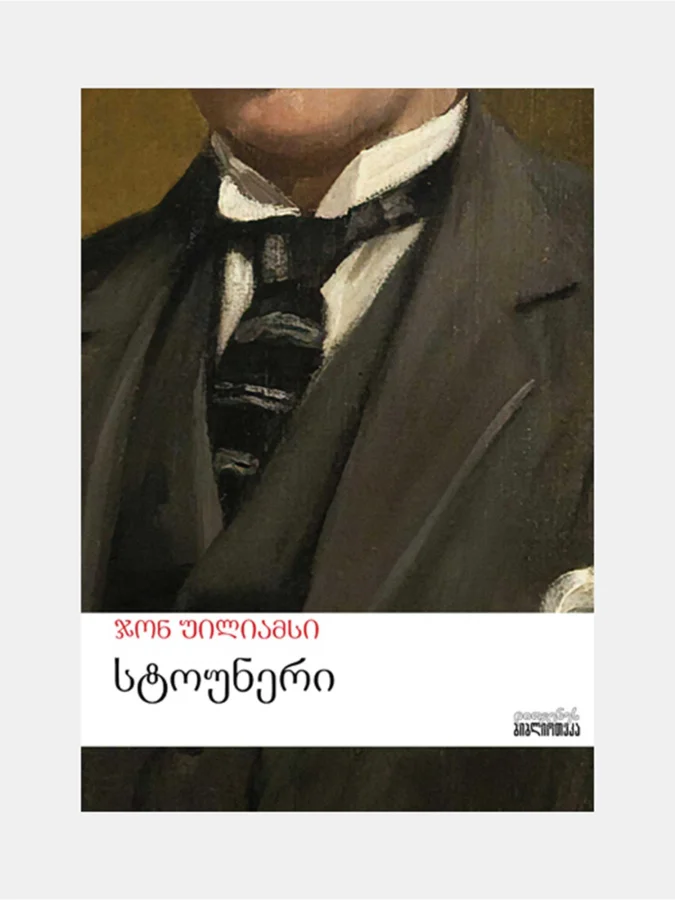
John Williams - “Stoner”

Sometimes a person’s entire life is shaped not by a carefully planned ambition but by one unexpected discovery. In John Williams’s “Stoner,” that discovery is literature.

Raised in a farming family, William Stoner goes to university to study agriculture. After one lecture, however, he realises that the life he had been preparing for is no longer his.

“Stoner” is not the story of a life filled with great triumphs. Its protagonist faces disappointment, professional conflict, and difficult relationships. Literature does not solve his problems, but it gives him something to remain devoted to until the end. At the beginning of a new academic and working year, the book is a timely reminder of how profoundly a single choice can alter the course of a life.

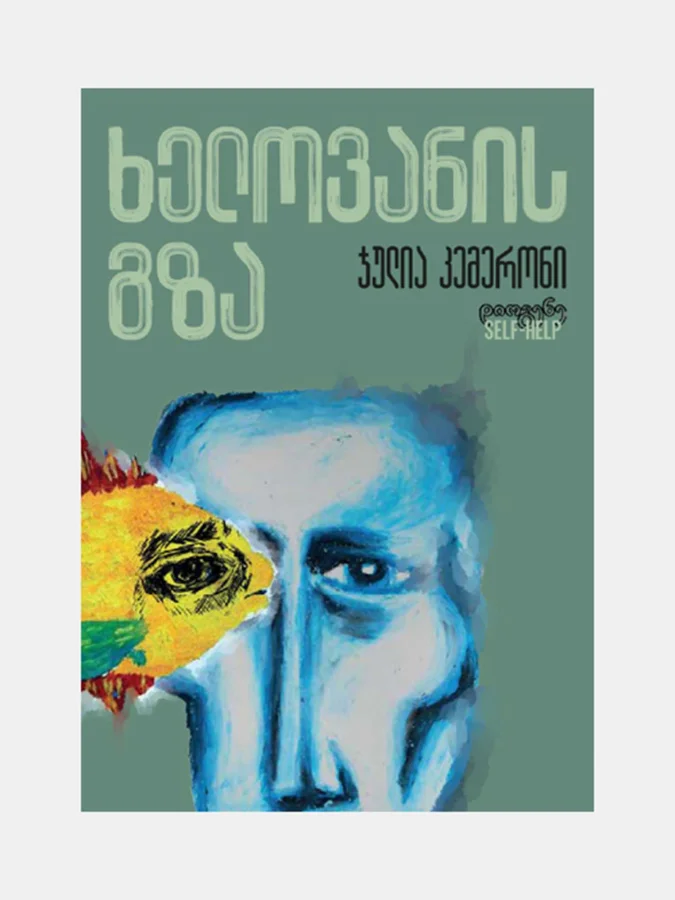
Julia Cameron - “The Artist’s Way”

In autumn, we often return to the things we could not find enough time or attention for during summer. “The Artist’s Way” is designed for precisely this kind of return.

Julia Cameron turns inspiration into a concrete practice. The book’s twelve-week programme combines morning pages, independently planned creative activities, and exercises. These help readers examine their habits, fears, and the obstacles that prevent them from turning an idea into reality.

If you have long wanted to return to writing, painting, photography, or another creative pursuit, a practice begun in September can accompany you through almost the entire autumn.

Julia Cameron - “The Artist’s Way”

In autumn, we often return to the things we could not find enough time or attention for during summer. “The Artist’s Way” is designed for precisely this kind of return.

Julia Cameron turns inspiration into a concrete practice. The book’s twelve-week programme combines morning pages, independently planned creative activities, and exercises. These help readers examine their habits, fears, and the obstacles that prevent them from turning an idea into reality.

If you have long wanted to return to writing, painting, photography, or another creative pursuit, a practice begun in September can accompany you through almost the entire autumn.

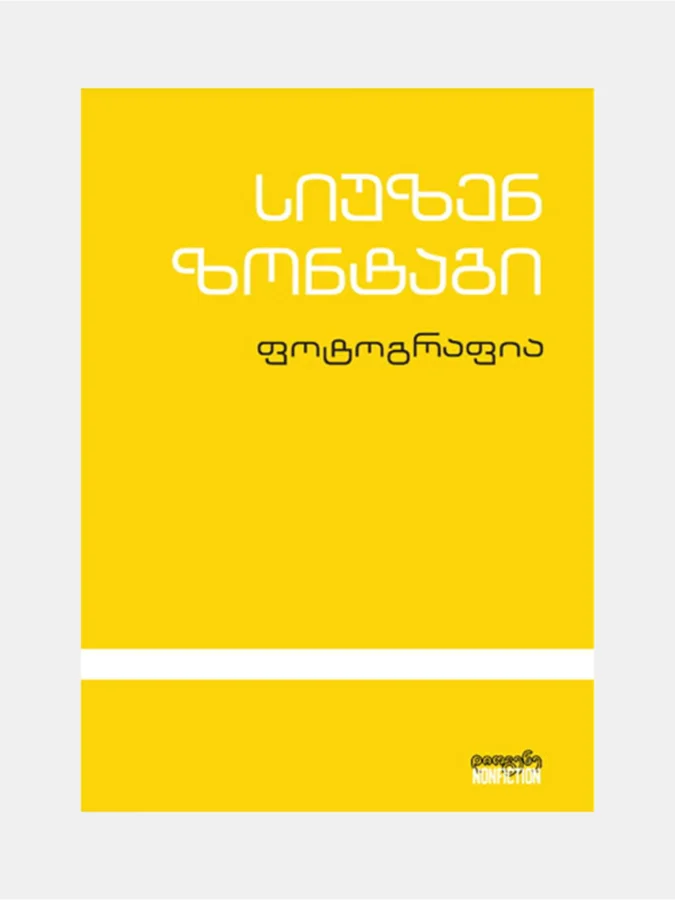
Susan Sontag - “On Photography”

We take, select, and share photographs every day. Sontag invites us to consider what we are actually doing when we turn the world into an image.

The book’s six essays explore the relationship between photography and reality. Sontag examines the influence of images on public opinion and historical memory, showing that a camera does not merely record what appears before it. It also shapes the way we see.

This book will not teach you the technical side of photography. Instead, it will make you consider why we choose a particular frame, what we leave outside it, and how an image changes the story we want to tell.

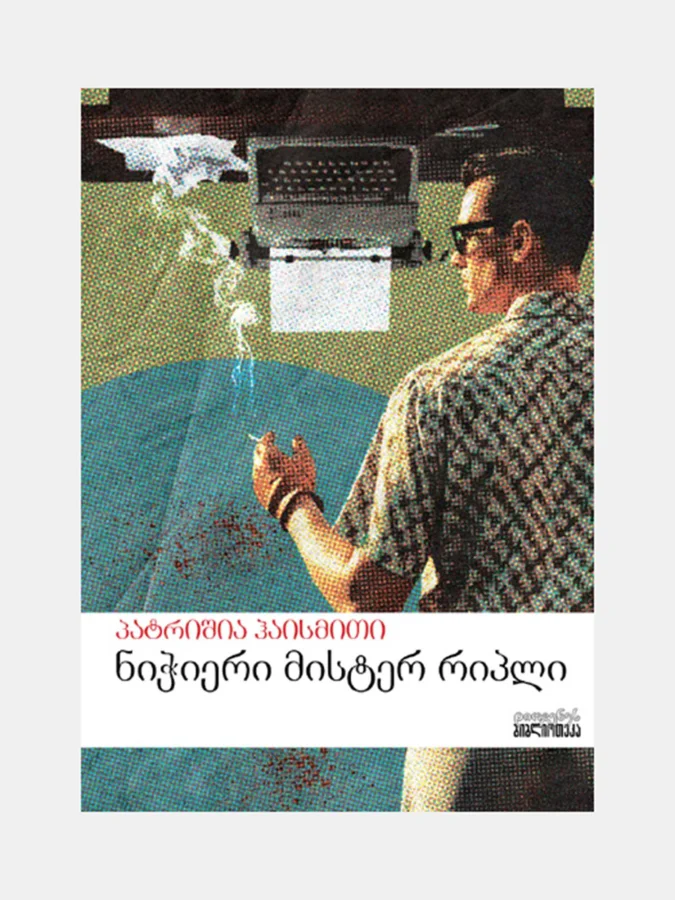
Patricia Highsmith - “The Talented Mr Ripley”

Where does fascination with another person’s life end, and the desire to possess it begin? Patricia Highsmith’s psychological thriller reveals how that desire can turn first into deception, then manipulation, and ultimately crime.

Tom Ripley is sent to Italy to persuade Dickie Greenleaf, the son of a wealthy American family, to return home. What appears to be a simple assignment soon becomes a dangerous opportunity to enter someone else’s life.

Highsmith keeps the reader so close to Ripley’s thoughts that every new decision is followed with equal parts fascination and tension. One lie demands another, while every apparent escape creates a new danger. This steadily rising tension makes “The Talented Mr Ripley” the novel on our list that you are most likely to finish in one sitting.

Patricia Highsmith - “The Talented Mr Ripley”

Where does fascination with another person’s life end, and the desire to possess it begin? Patricia Highsmith’s psychological thriller reveals how that desire can turn first into deception, then manipulation, and ultimately crime.

Tom Ripley is sent to Italy to persuade Dickie Greenleaf, the son of a wealthy American family, to return home. What appears to be a simple assignment soon becomes a dangerous opportunity to enter someone else’s life.

Highsmith keeps the reader so close to Ripley’s thoughts that every new decision is followed with equal parts fascination and tension. One lie demands another, while every apparent escape creates a new danger. This steadily rising tension makes “The Talented Mr Ripley” the novel on our list that you are most likely to finish in one sitting.

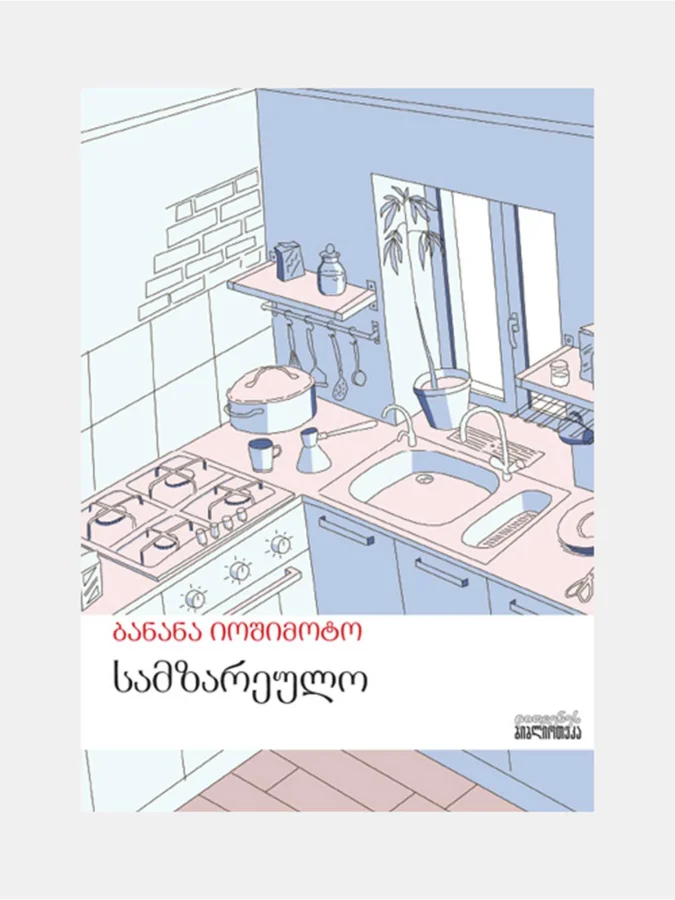
Banana Yoshimoto - “Kitchen”

Where does a person find support after losing their last close relative, when even the home they once knew suddenly feels empty? Banana Yoshimoto’s “Kitchen” looks for an answer not in dramatic events but in cooking, shared meals, and everyday acts of care.

For Mikage, the kitchen is a place where she feels safe despite her loneliness. After her grandmother’s death, a new family temporarily takes her in, and the novel gradually reveals how human connection and small daily habits can make it possible to continue living after loss.

Despite its brief form, “Kitchen” brings together a thoughtful story about grief, loneliness, chosen family, and the desire to belong. Its direct style conveys the book’s emotional weight without unnecessary dramatics.

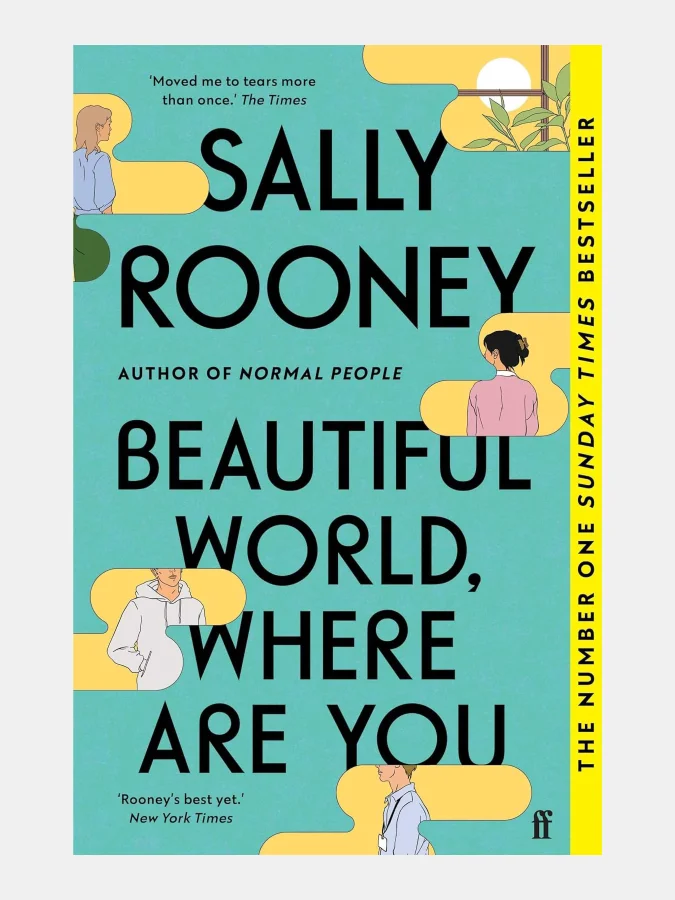
Sally Rooney - “Beautiful World, Where Are You”

How do we continue with everyday life when personal relationships, work, politics, and anxiety about the future of the world can no longer be separated? Sally Rooney explores this question through the lives of four young people.

The novelist Alice meets Felix and invites him to travel to Rome with her. In Dublin, her friend Eileen returns to an old and still unresolved relationship with Simon. Alongside their encounters, the emails exchanged by Alice and Eileen move between love, friendship, art, politics, and the contradictions of contemporary life.

“Beautiful World, Where Are You” does not treat intimacy solely as part of a romantic plot. For Rooney, a relationship is also a space in which personal choices continually come up against larger social questions.

Sally Rooney - “Beautiful World, Where Are You”

How do we continue with everyday life when personal relationships, work, politics, and anxiety about the future of the world can no longer be separated? Sally Rooney explores this question through the lives of four young people.

The novelist Alice meets Felix and invites him to travel to Rome with her. In Dublin, her friend Eileen returns to an old and still unresolved relationship with Simon. Alongside their encounters, the emails exchanged by Alice and Eileen move between love, friendship, art, politics, and the contradictions of contemporary life.

“Beautiful World, Where Are You” does not treat intimacy solely as part of a romantic plot. For Rooney, a relationship is also a space in which personal choices continually come up against larger social questions.

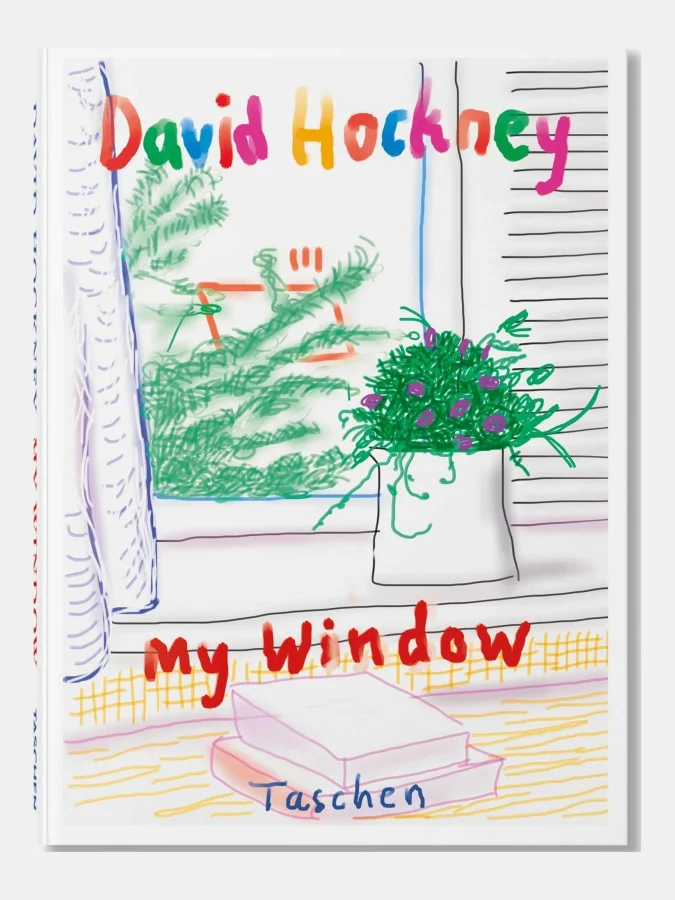
David Hockney - “My Window”

The same view can reveal something different every day. David Hockney’s “My Window” turns this simple observation into a record of changing time, weather, and seasons.

The book brings together drawings created by Hockney on his iPhone and iPad, capturing the world seen from his own window. The light, sky, plants, and colours entering the room continually change, while the viewpoint remains the same.

“My Window” shows that it is not always necessary to search for a new subject. Sometimes it is enough to look more closely at a familiar setting and notice how quickly something seen every day can change.

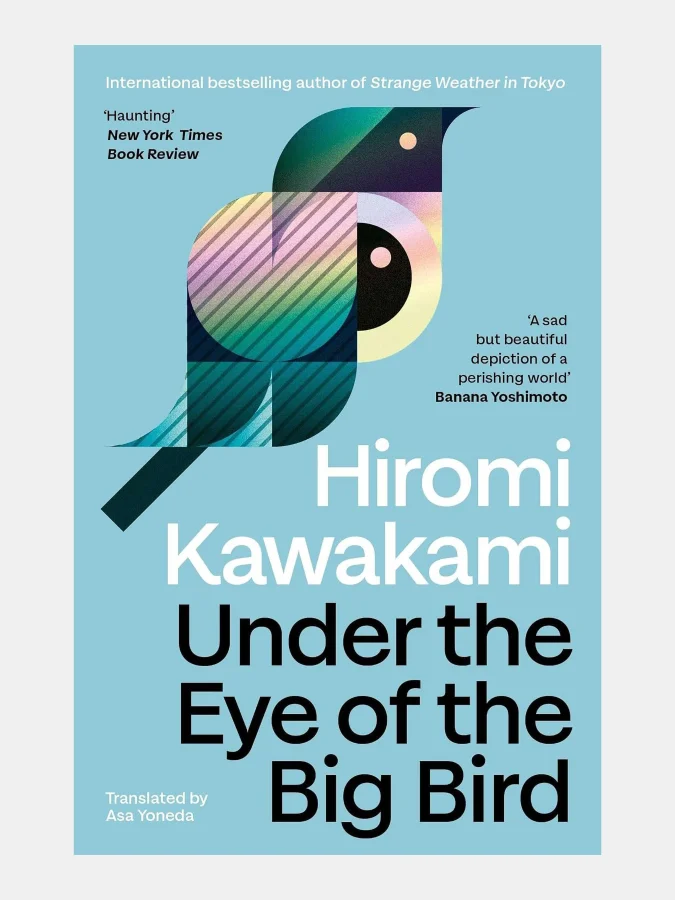
Hiromi Kawakami - “Under the Eye of the Big Bird”

What might remain of humanity thousands of years from now, and would we still recognise our own species if the conditions of its existence changed completely? Hiromi Kawakami constructs a distant future through a series of interconnected stories.

Following environmental change and technological intervention, humans live in small and radically different communities. Reproduction, family structures, the body, and the very idea of what it means to be human have all transformed.

Hiromi Kawakami - “Under the Eye of the Big Bird”

What might remain of humanity thousands of years from now, and would we still recognise our own species if the conditions of its existence changed completely? Hiromi Kawakami constructs a distant future through a series of interconnected stories.

Following environmental change and technological intervention, humans live in small and radically different communities. Reproduction, family structures, the body, and the very idea of what it means to be human have all transformed.

Each of these books offers a different experience: some bring you close to the course of an individual life, some invite you into a creative process, and others reveal the familiar world from an entirely different perspective. When choosing, you can follow not only a genre but also what you want from the time you are setting aside for reading.

We think you will find something that interests you on this list. If you would like to explore a wider selection, visit the books category at Dressup.ge. You can select your preferred books online and have them delivered to your door free of charge anywhere in Georgia.

Update your library and choose a book that best matches your rhythm this autumn.

Product added to wishlist